From the Spacio team
Blog
Architecture, AI, and the future of building design.
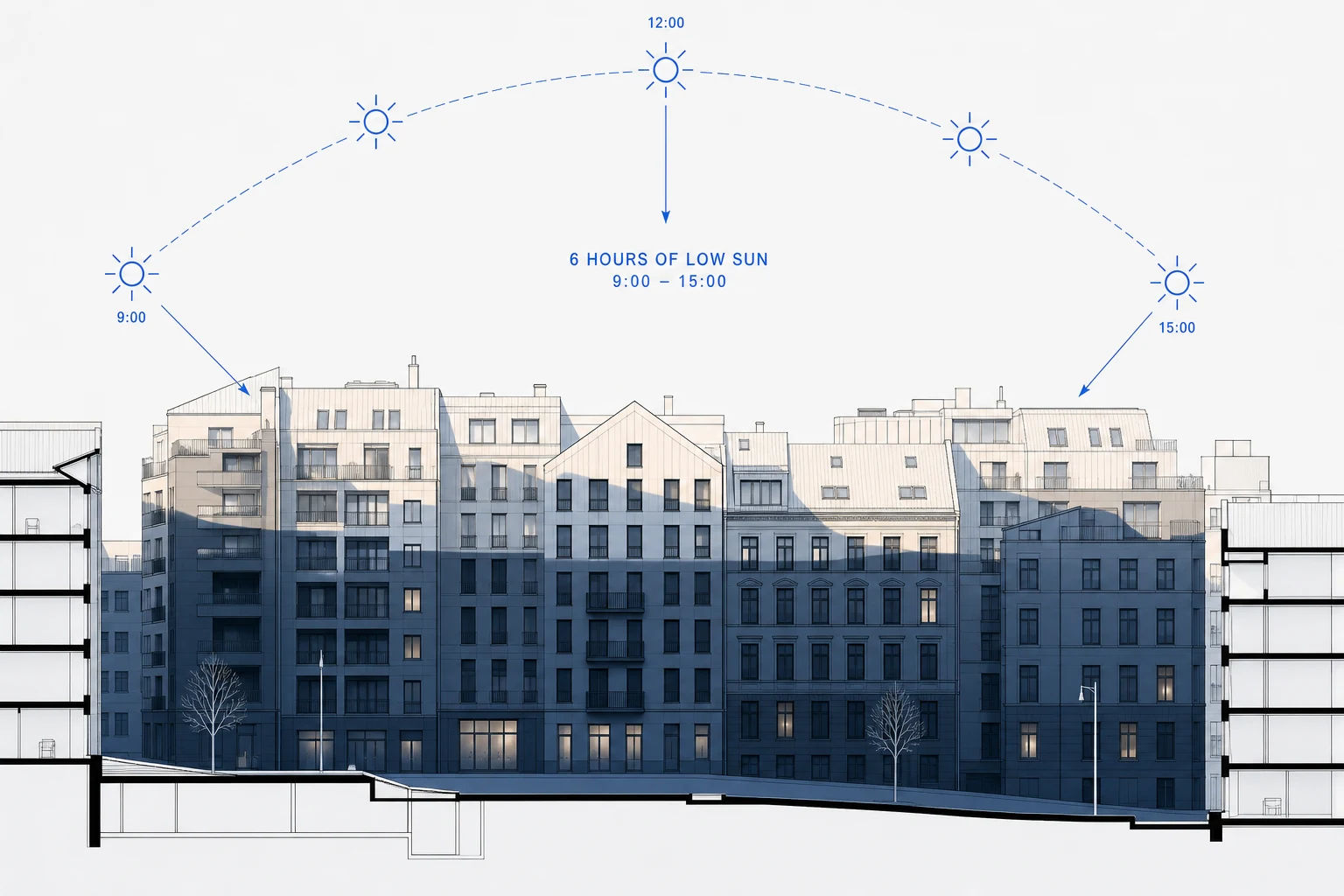
Daylight and human health: why your building's light is a design decision
Daylight, health and the Nordic codes: TEK17, Boverket, BR18 and EN 17037 explained, from VSC and daylight factor to UDI, and why to assess it at massing stage.
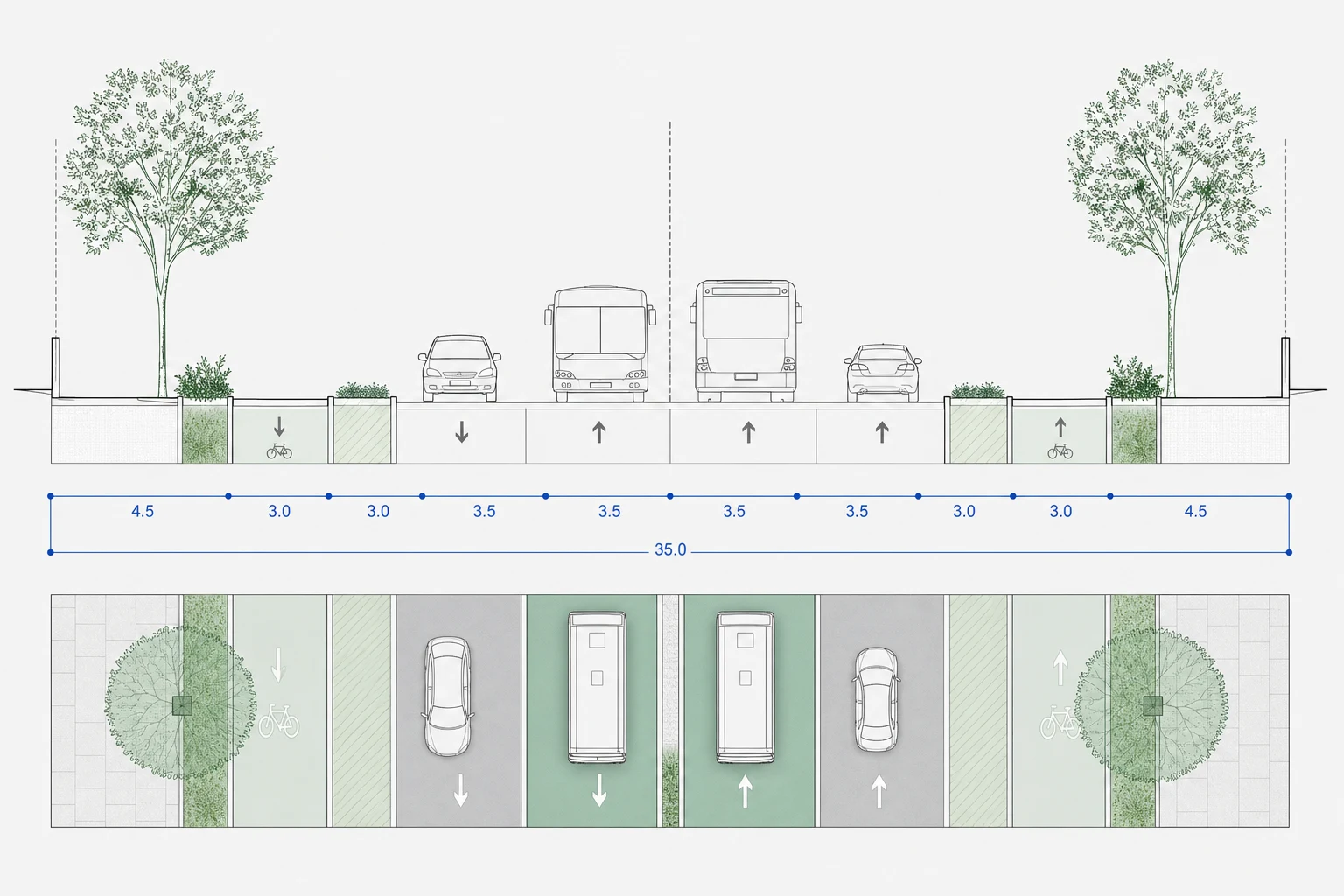
Street sections: design the street, not the ribbon
A street drawn as one width hides every decision that matters. Rebuilding a 35 m street from Eskilstuna's Smarta gator guidance as a Spacio section.
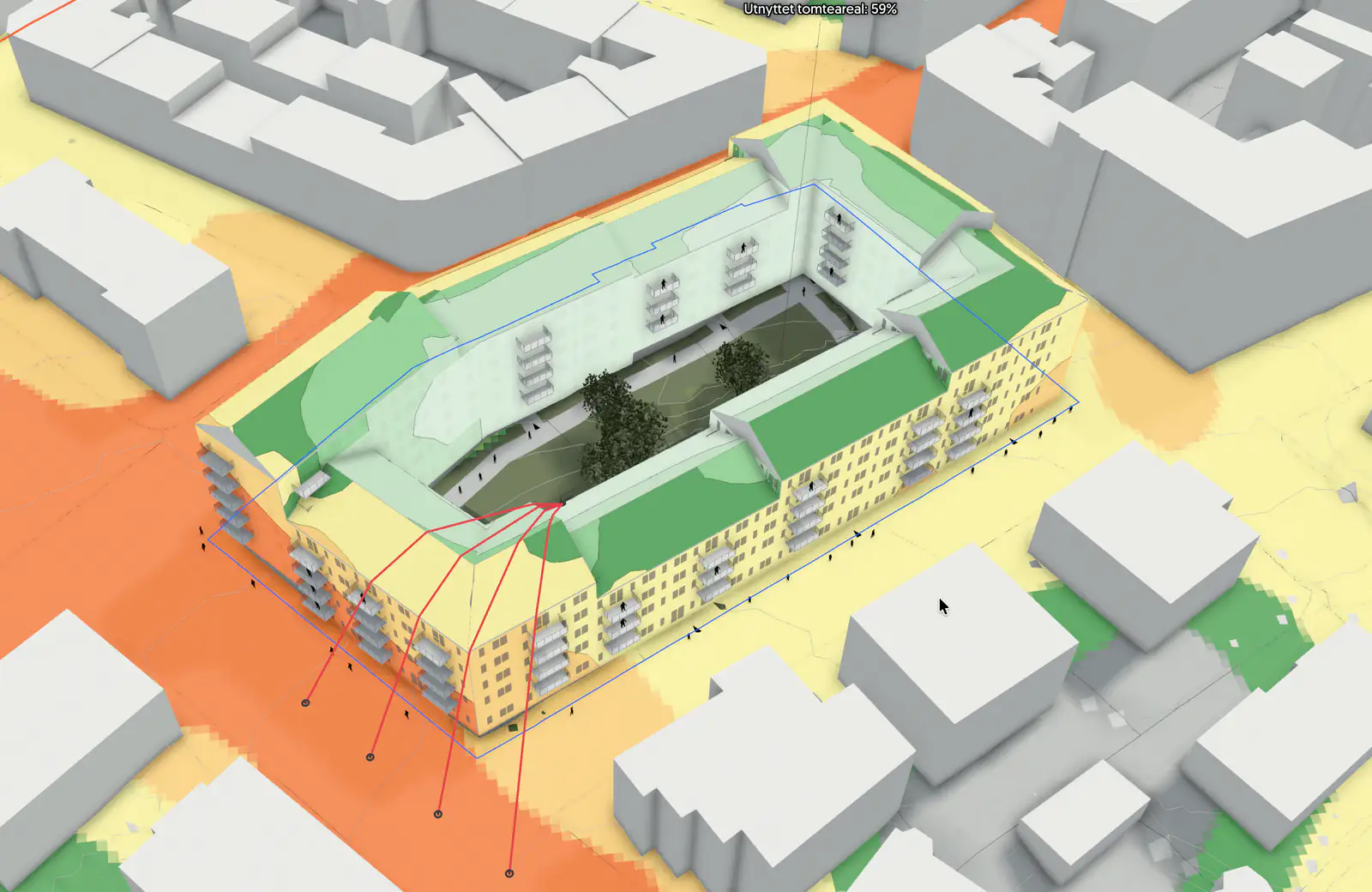
Traffic Noise in Spacio: find the quiet side while the massing still moves
Traffic Noise is in beta. It tells you where bedrooms, open windows and quiet sides work on your site, while the massing is still moving.
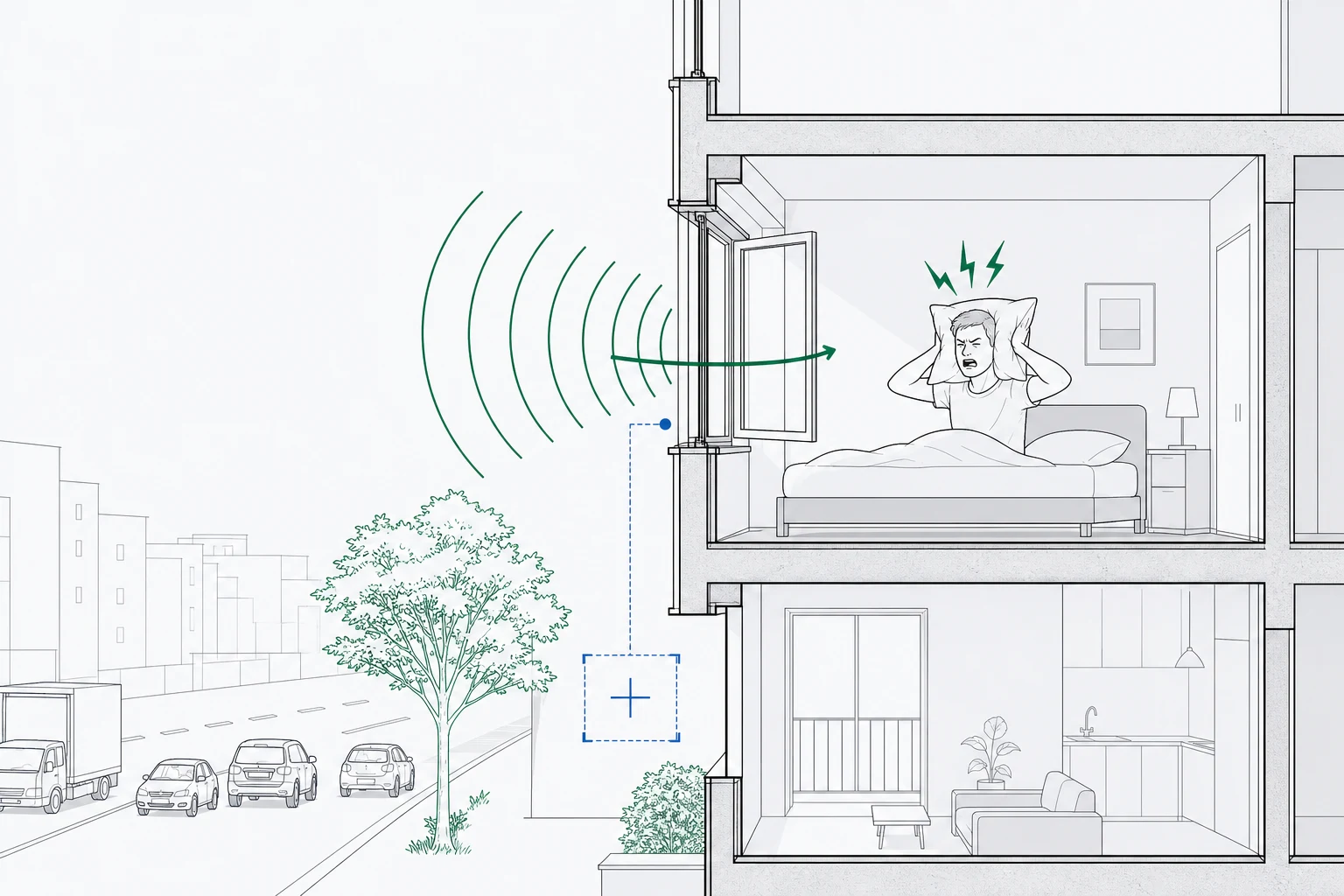
Traffic noise in cities: what architects can actually do about it
How traffic noise affects urban residents and what architects can do through building orientation, facade design, and courtyard shielding in early-stage projects.

How good is the wind tool? We ran the AIJ benchmarks to find out
We scored Spacio's wind tool against four AIJ wind-tunnel experiments. What it gets right, where it is biased, and what it has never been tested on.
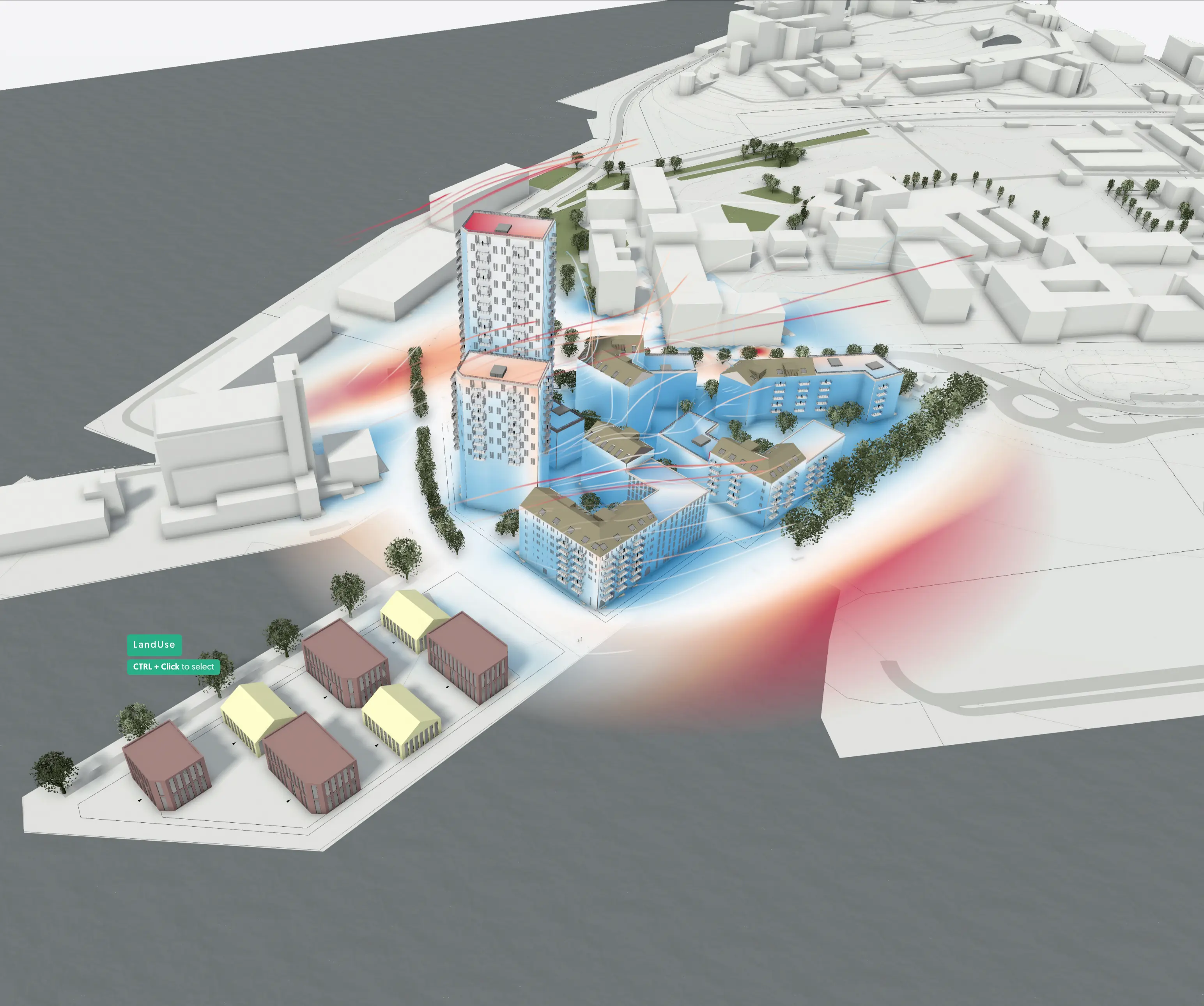
How to read a pedestrian wind map, and why it belongs in the sketch
Lawson LDDC, NEN 8100, the Risk map and the separate gust-safety criterion explained. How pedestrian wind comfort is calculated, why comfortable and safe are different questions, and why wind analysis belongs in early-stage design.
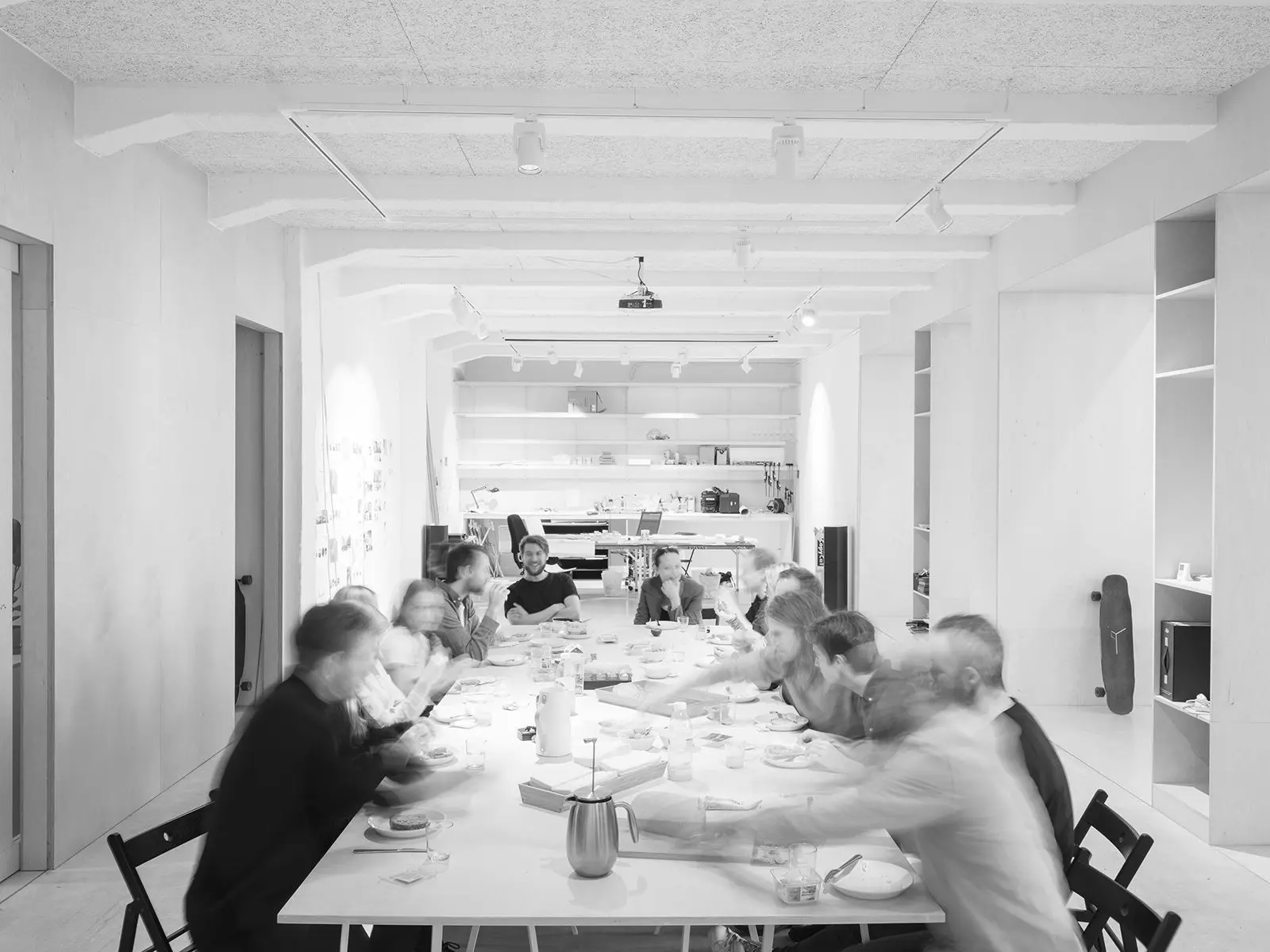
Oslo Works cut their competition prep time: here is how.
Case study: Oslo Works uses Spacio to speed up feasibility studies, improve client presentations, and win more competitions.
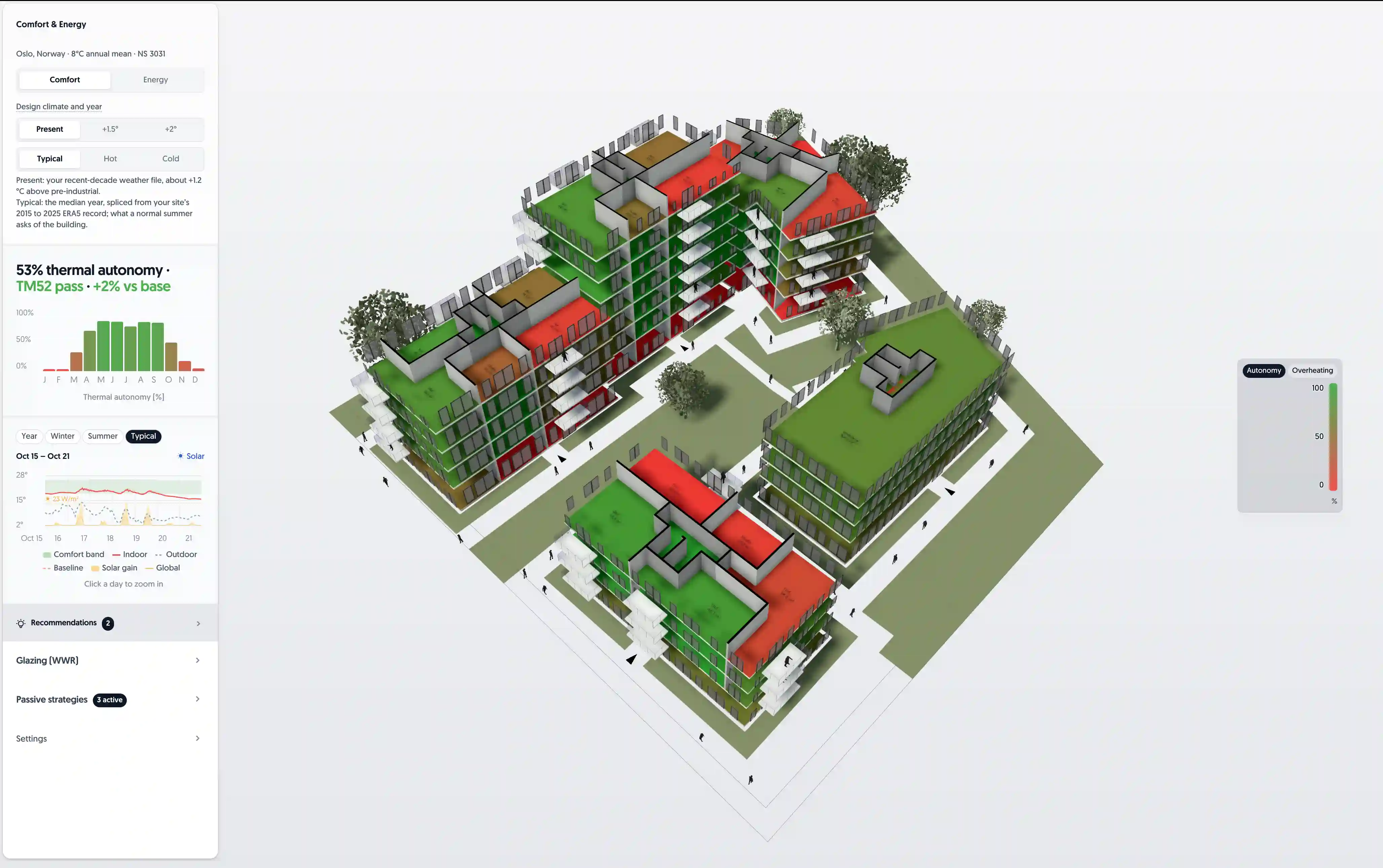
Free running comfort and energy, now in beta.
Spacios Comfort and Energy analysis is now in beta. Free running first, so you can see how little the equipment has to do while the massing is still soft.
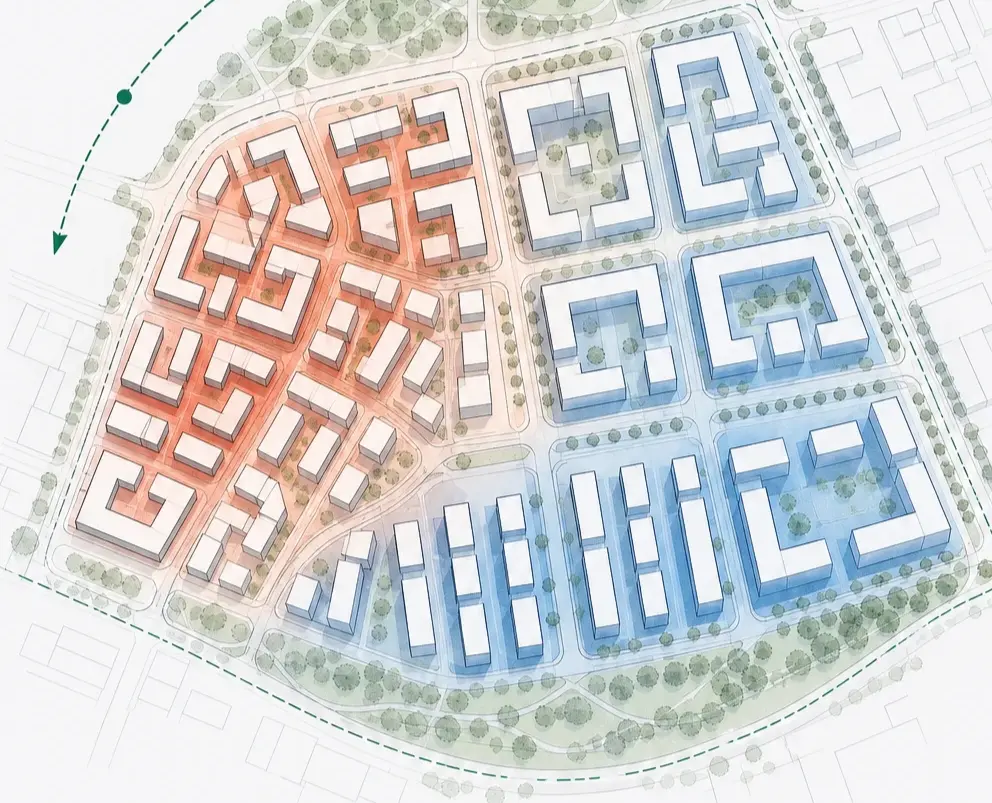
Urban heat islands: how building layout affects the temperature of a city.
How urban heat islands form and what architects can do through building layout, orientation, and material choices. A guide to climate-conscious early-stage design.
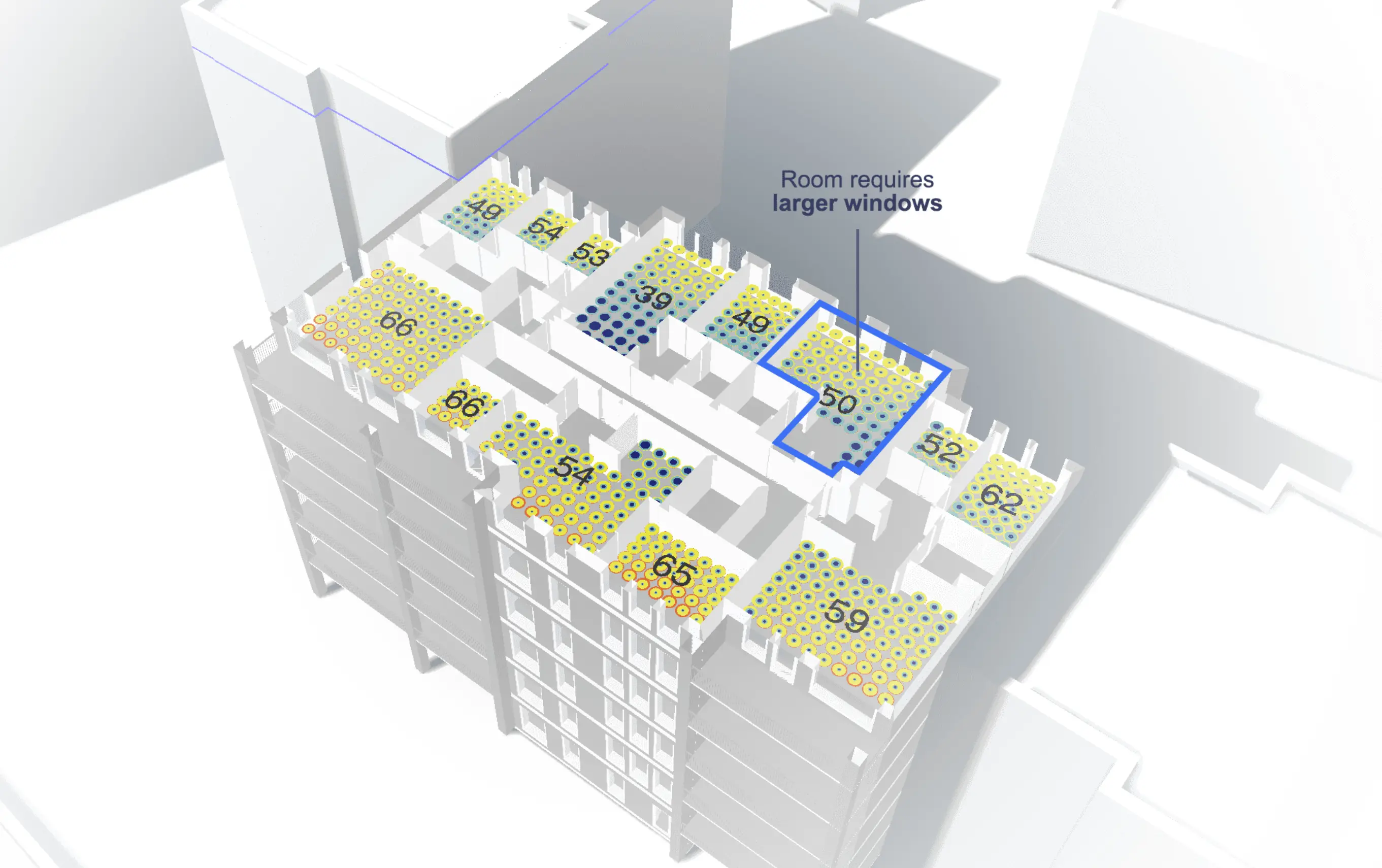
Norway is loosening its daylight rules. Here is why that makes early daylight analysis more important, not less.
Norway is set to lower its daylight requirement and open an analysis-based route. That flexibility only helps the practices that can prove daylight early, with named metrics.

Buildings that know where they are: a Sustainable Environmental Design philosophy
Vernacular buildings have always known where they are. Sustainable Environmental Design brings that intelligence back into the modern design process, at the speed of sketching.
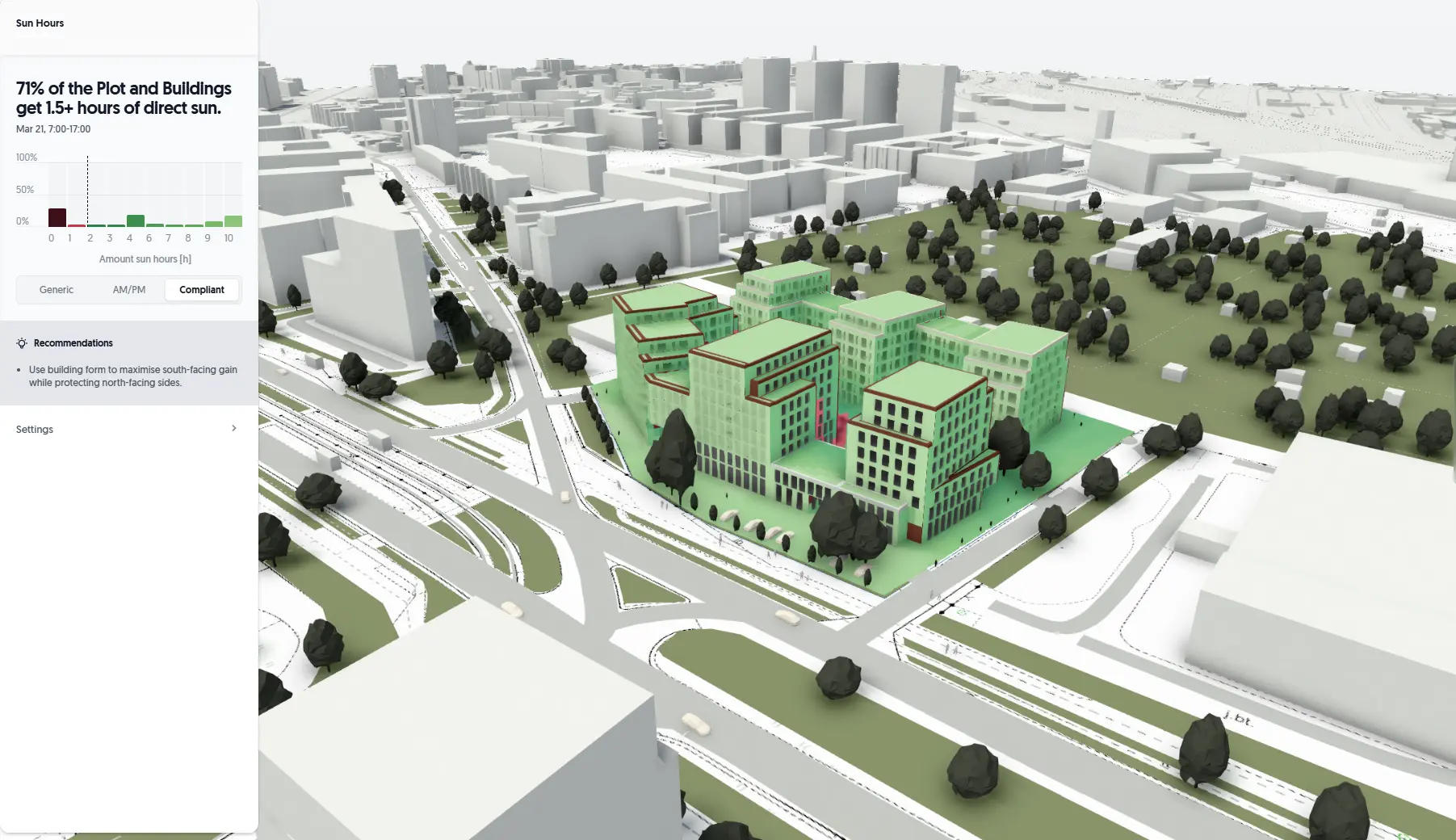
How a small Polish practice designs housing that passes, while they sketch
Chill House architecture office checks Poland's 3-hour sunlight rule and courtyard wind live, at the sketch. Here is how moving analysis forward changed their workflow.